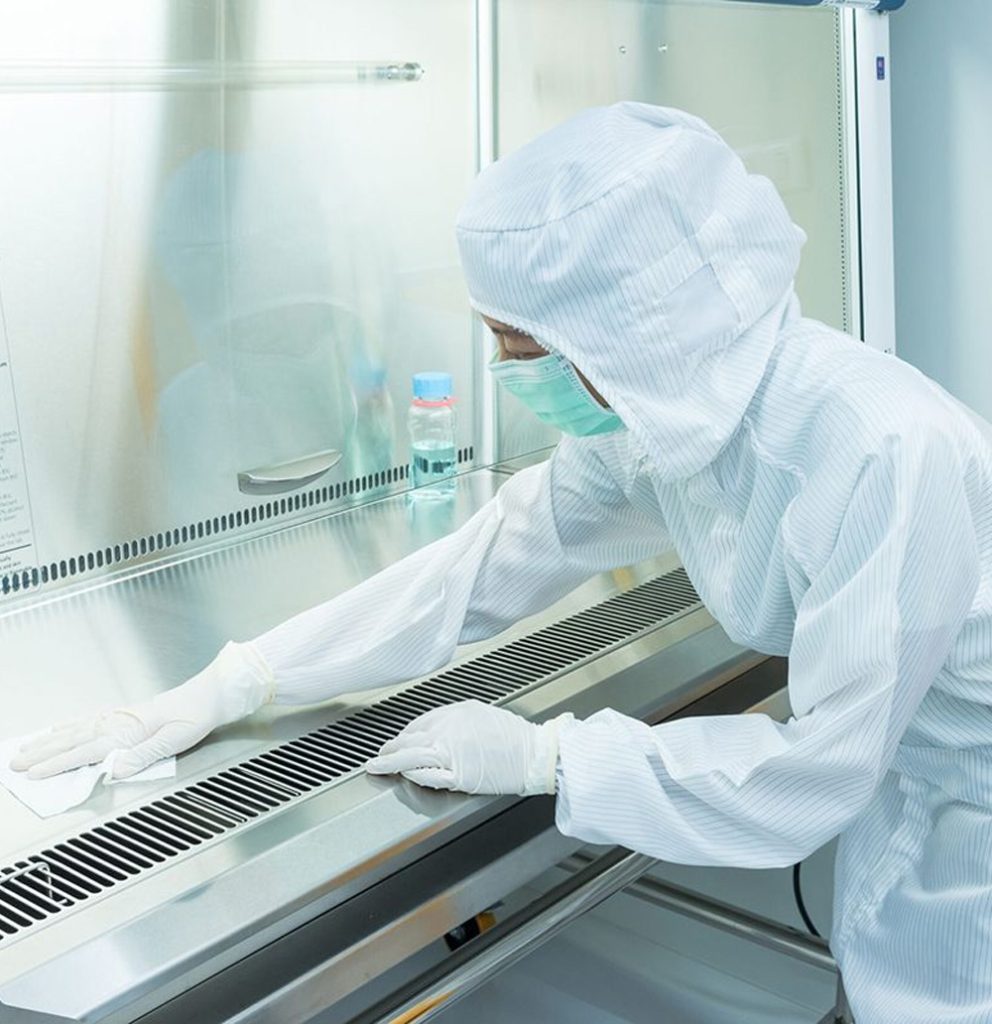


All materials used to produce a drug to provide a desired drug with the shape and appearance of its final product to the treatment system are called raw materials.
Raw materials in pharmacy are usually divided into three groups.
First group: Active Pharmaceutical Ingredient, which has a medicinal and therapeutic effect and is used as the main ingredient, abbreviated as API, in the preparation of drugs.
Second group: Excipients, which are generally substances that are pharmaceutically neutral, but play an important role in the manufacture of a drug in order to obtain the desired pharmaceutical form and make the manufactured drug effective, and therefore are used in the formulation. In the manufacture of tablets and granules, these substances are divided into two groups according to their role and function:
The first group is the excipients that give the formula the desired physical properties for successful granulation and pressing. This group includes:
Diluents, Diluting agents, such as Avicel and lactose.
Binders, such as povidone, croscarmellose, hypermellose, etc.
Lubricants, such as magnesium and calcium stearate, and polyethylene glycol.
The second group is the auxiliary materials that give the final tablet the desired physical properties and include the following:
Disintegrants: Starch and sodium starch glycolate can be included in this group. Other materials are also used to coat the tablets. Epadry, Sepifilm, and titanium dioxide are in this group.
Other materials: Other materials can also be mentioned that are used in other pharmaceutical forms such as syrups, suspensions, injectable drugs, ointments, etc., which can be briefly mentioned by mentioning their function, such as:
Flavoring agents: Essential oils are included in this group.
Sweeteners: Such as aspartame, sorbitol, and sugar. Viscosifiers: Povidone and xanthan gum can be included in this group.
Hardeners: Such as paraffin and various waxes. (Including: Silicon Dioxide and Aerosil)
Anti caking agent: Sodium benzoate and benzalkanium chloride and various parabens are used as (Anti microbial) (Preservative) in pharmaceutical forms.
Group Three:
Packaging Materials
Definition of Packaging:
1 – A package is an economical means for introducing, protecting, informing, facilitating consumption and storing its contents
2 – It is a means for preserving the contents inside it during the shelf life of those materials and for stabilizing and preventing the deterioration of the quality of these materials under different conditions (weather, transportation, etc.).
3 – All materials that, under different conditions, preserve the contents inside it and protect the product against external factors.
Packaging materials are classified based on the degree of contact with the contents inside.
First-class packaging
All packaging materials that have direct contact with the drug, such as containers for edible and non-edible drugs, blisters and aluminum caps and vials.
Second-class packaging Two
All materials that are not directly related to the pharmaceutical forms and only have a protective role from physical and environmental factors. Such as boxes and brochures, etc.
Ancillary supplies
All accessories used alongside the drug and for ease of use. Such as various types of measuring cups and droppers.
These three groups of materials, after numerous tests and approval in accordance with valid pharmaceutical standards by quality control units, receive a license to use in drug production and are used in various pharmaceutical forms as needed.