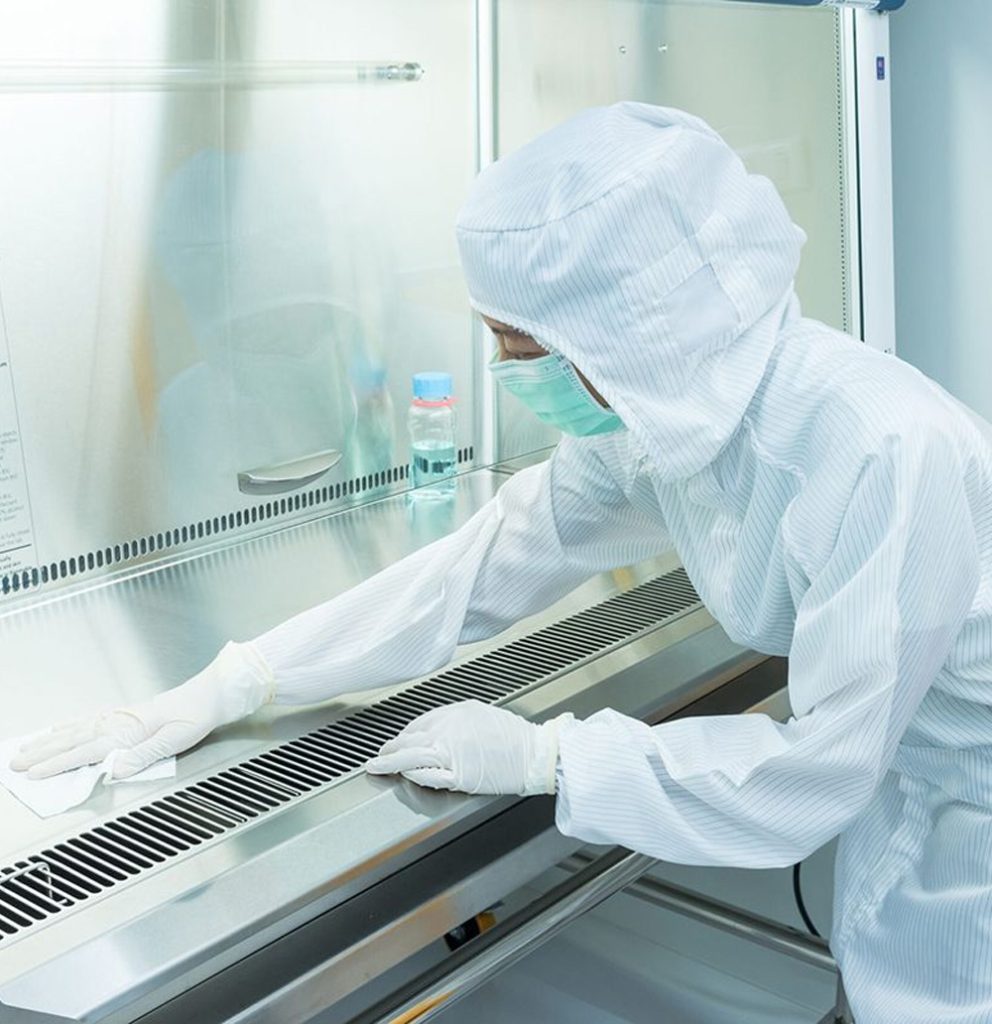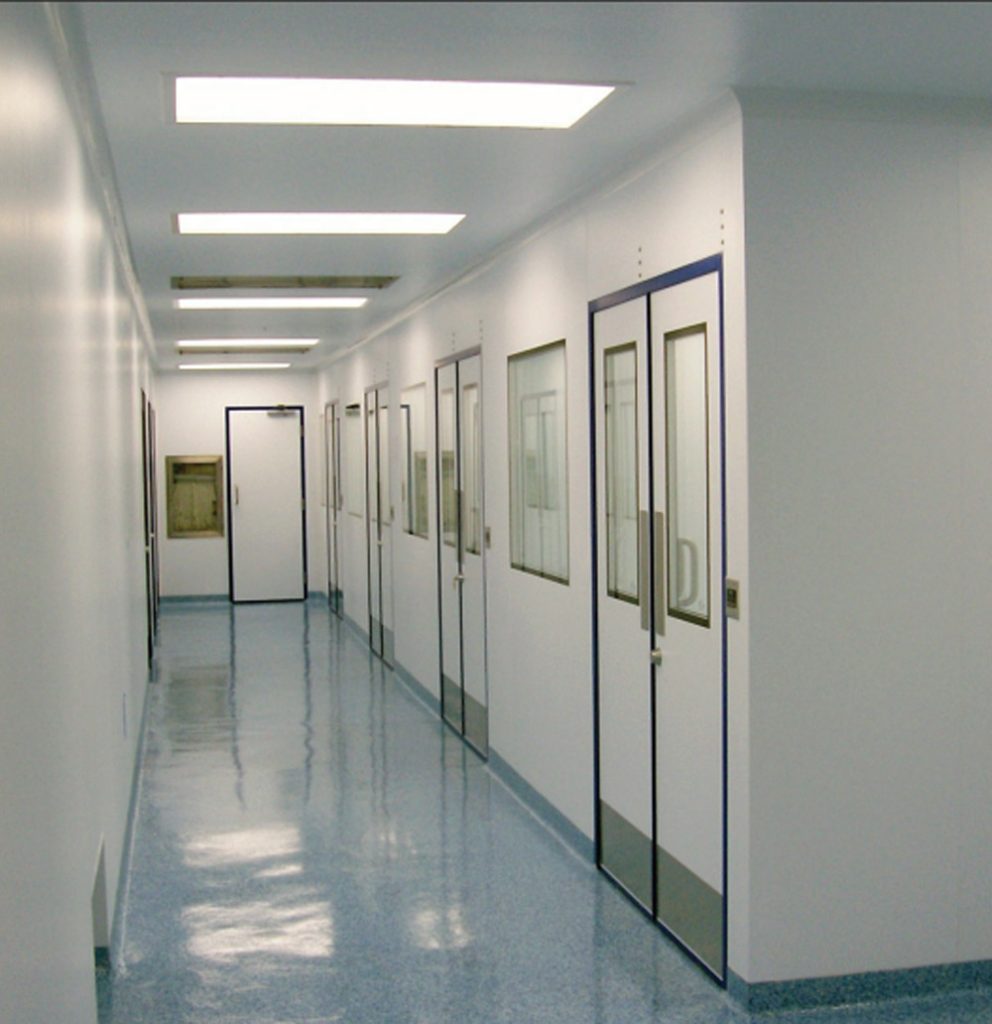


The manufacture of sterile products requires the reduction of microbial contaminants, particles, and pyrogens. Pyrogen removal is performed to remove pyrogens from solutions, especially injectable products. Pyrogens include endotoxins and exotoxins from bacteria. Sterilization is the process of eliminating microorganisms and their vectors, including fungi, bacteria, bacterial spores, and viruses, from the surface of objects. Depending on the type of equipment, the sterilization process requires sterilization by physical or chemical methods.
Physical methods:
-Dry Heat
-Moist Heat
-Radiation
-Ionizing radiation 5 ultraviolet rays with a wavelength of 260 nm
Chemical methods:
-Ethylene oxide gas
-Plasma gas
-Formaldehyde
Dry Heat Sterilization:
Uses hot, dry air as a sterilizing agent, which oxidizes infectious agents.
Advantages of Dry Heat Sterilization:
-Convenience
-Non-toxicity after the process
Disadvantages of Dry Heat Sterilization:
-High temperature
-Long process time
Moist Heat Sterilization:
Applying heat with moisture at a specific temperature, which is 7 times more effective than applying dry heat at the same temperature. In this method, microorganisms are killed by destroying their metabolism and essential structural components.
Advantages of Moist Heat Sterilization:
-High efficiency
-Process speed
-Process simplicity
-Non-toxicity
Radiation Sterilization:
Mainly used to sterilize heat-sensitive materials and products. Many pharmaceutical products and some packaging materials are sensitive to radiation, so this method is only permissible when the absence of destructive effects on the products has been confirmed by experimental tests. Ultraviolet radiation is usually not an acceptable method of sterilization.
Sterilization with Ethylene Oxide Gas:
It is a colorless, flammable, water-soluble gas that was first used in hospitals as a sterilizer in 1956. This gas inactivates microorganisms by combining with their cellular proteins.
Advantages of Ethylene Oxide:
It has high permeability, so it easily sterilizes porous objects. It is suitable for instruments that are sensitive to heat and humidity. It does not cause any changes in the objects to be sterilized (such as rusting).
Disadvantages of Ethylene Oxide:
Long cycle time, allergenic
It is odorless at a concentration of less than 722 ppm, meaning that it cannot be detected by humans in the event of an environmental leak. Instruments must be completely dry before sterilization because residual moisture combines with the gas and produces other substances.
– Flammable and explosive
Carcinogenic
Depletes the ozone layer
Plasma sterilization:
Plasma is the fourth state of matter. Common states are: solid, liquid, gas and plasma. Plasma is produced by introducing energy into a gas and converting gas molecules into free radicals, at a temperature of 42. The limitations of traditional sterilization methods such as ethylene oxide and steam led researchers to design an alternative method to these two methods. The result was a special method of sterilization with low-temperature plasma technology by H2O2. Plasma technology uses hydrogen peroxide vapor and plasma gas at ambient temperature to sterilize medical instruments without leaving any toxic residue. The plasma method is very suitable for instruments that are sensitive to heat, water vapor, and humidity.
Advantages of plasma:
.1 Short cycle
.2 Sterilization of instruments sensitive to humidity and heat
.3 Non-toxic
.4 Cost-effective
.5 Environmentally friendly
Formaldehyde sterilization:
In general, formaldehyde sterilization is effective when it is in a high-concentration gas state, at a temperature between 60 and 80 degrees Celsius, and at a humidity of 75-100%. Studies show that formaldehyde is mutagenic and increases the risk of developing various types of cancer in humans. On the other hand, the US Occupational Safety and Health Administration has announced the permissible limit for the use of formaldehyde as 0.75 ppm for 8 hours. It should be noted that the US FDA has not approved the use of formaldehyde vapor for use in medical centers.
Advantages of Formaldehyde:
Although ethylene oxide is a more permeable gas than formaldehyde, the use of a formaldehyde system has advantages such as shorter cycle times than ethylene oxide and relatively low cost per cycle. The choice of sterilization method should be appropriate to the conditions, time, and type of material or device.