


Cinnarizine tablets
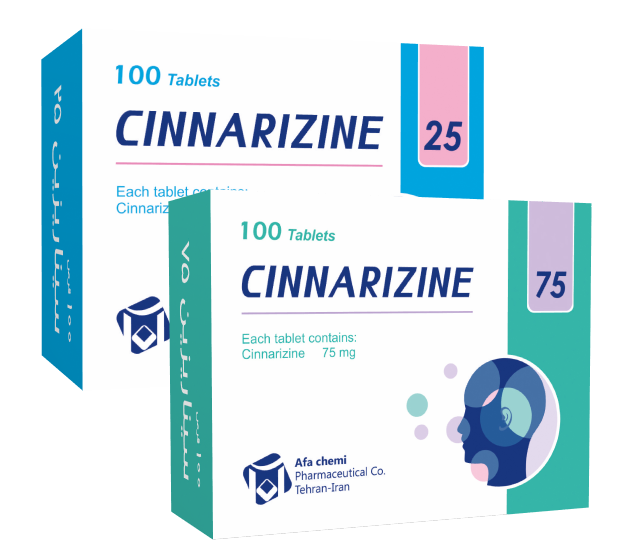
Cinnarizine
25 and 75 mg tablets
This medicine has been prescribed for your current condition, so do not use it in similar cases or recommend its use to others.
Vexor® (venlafaxine) capsules
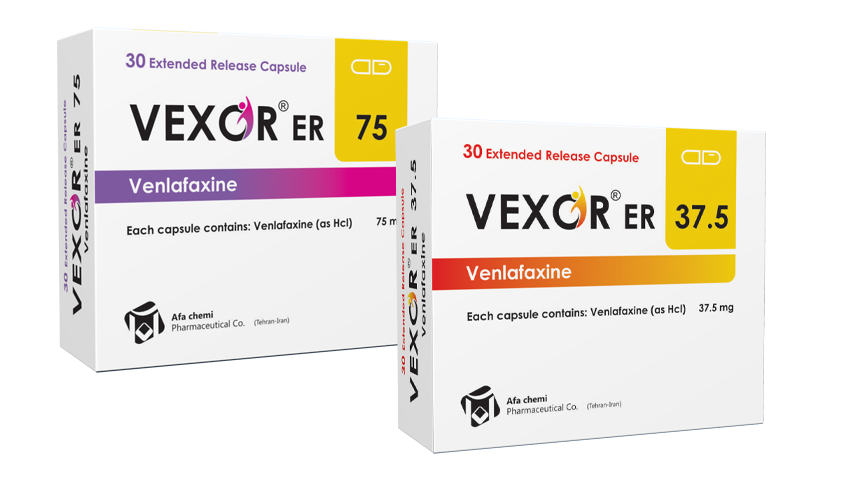
Venlafaxine is a new-generation antidepressant that acts as a serotonin and norepinephrine reuptake inhibitor (SNRI). Knowledge of its dose-dependent mechanism of action is critical for clinical decision-making. At low doses, it is predominantly serotonergic, and with increasing doses (usually above 150 mg/day), its norepinephrine activity also becomes apparent. It is approved for the treatment of the following disorders in adults and its efficacy has been demonstrated in controlled clinical studies.
Pimo® Tablets (pimozide)
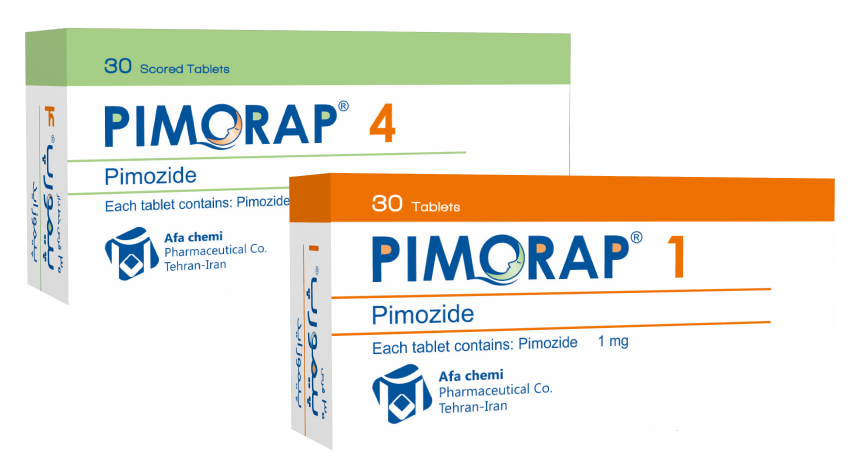
Pimozide is a diphenylbutyl-piperidine antipsychotic that acts by blocking dopamine receptors in the central nervous system. It also increases dopamine turnover, blocks voltage-gated calcium channels, and inhibits opioid receptors, and increases prolactin concentrations.
Venlafaxine tablets

Afamron® (mirtazapine)

Mirtazapine was first introduced as an antidepressant in the Netherlands in 1987 and then registered in the United States in 1996. This drug is different in chemical structure from conventional drugs such as TCA and SSRI, has fewer side effects and is better tolerated by patients. The onset of the drug’s effect is also faster and reaches its maximum therapeutic effect within 2 to 4 weeks.
Zosleep® (zolpidem) tablets
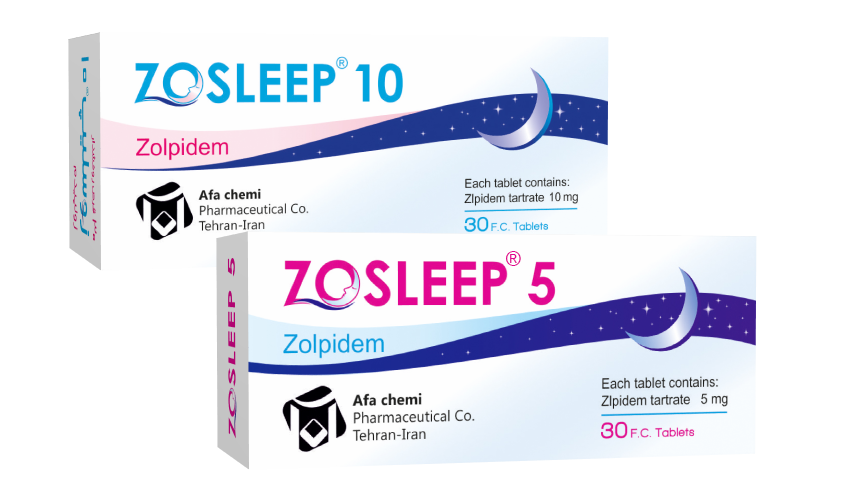
Insomnia or sleep deprivation is a common problem that usually occurs intermittently and temporarily. Sleeping pills such as zolpidem are recommended in the final stages and if the problem does not resolve, and these drugs are also usually prescribed for a short time to regulate sleep. Zolpidem belongs to a class of drugs called Z-drugs. This drug facilitates falling asleep by accelerating the induction of sleep messages to the brain.
Ofaserc (betahistin)
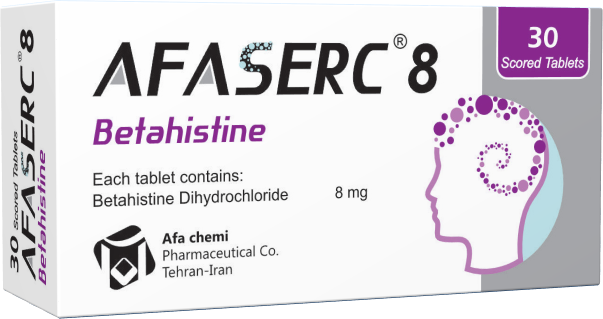
Betahistine is a medication that is mainly prescribed to reduce the symptoms of Meniere’s disease – including vertigo, ringing in the ears (tinnitus), and hearing loss. It helps improve symptoms by increasing blood flow to the inner ear and reducing fluid pressure in the endolymph (fluid inside the ear). International studies have shown that the use of betahistine can improve the quality of life of patients with inner ear disorders.