

Dyspepsia, or indigestion, is actually referred to as a feeling of discomfort in the upper abdomen after eating. Indigestion is actually a type of disorder, not a disease, and the symptoms of this disorder often include things like bloating, discomfort, nausea, and flatulence, etc.
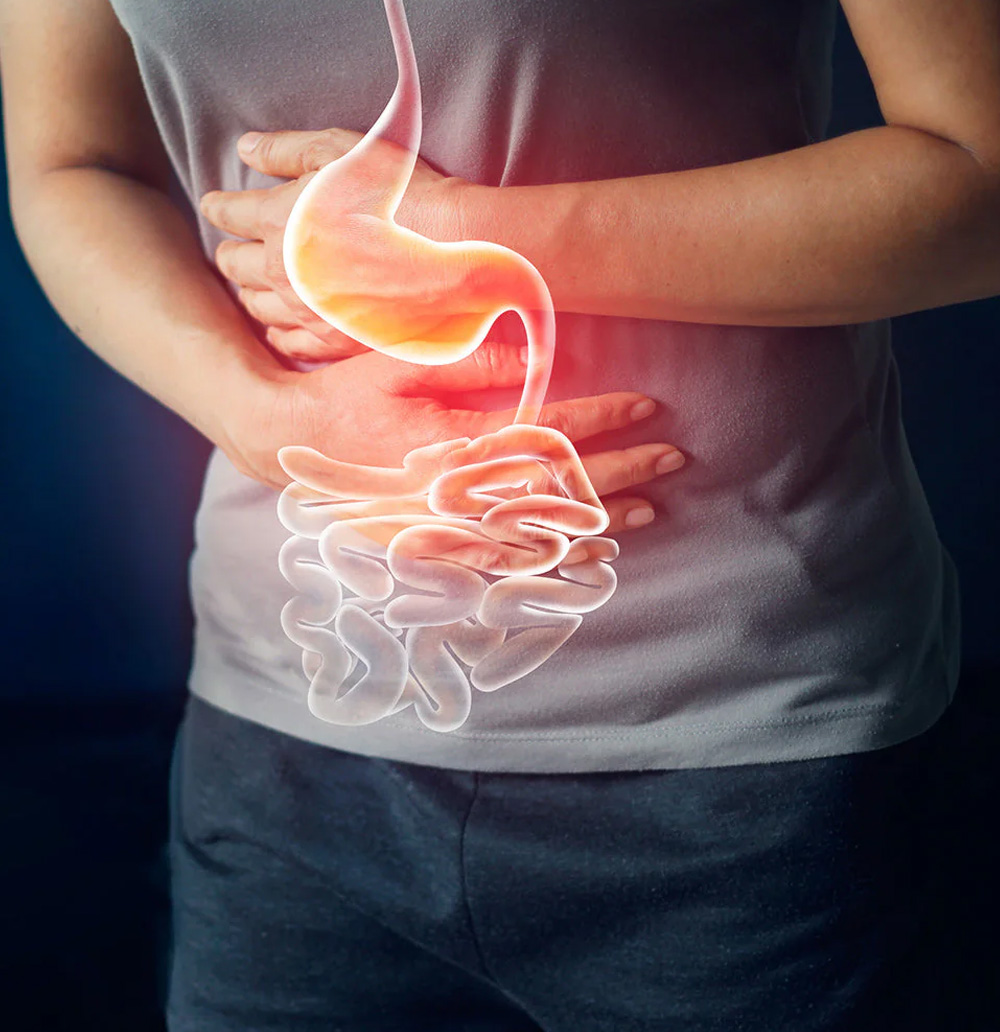
Most people who experience these symptoms attribute the onset of these symptoms to eating certain foods or drinks, although some medications and infections can also cause this disorder. Eating large, fatty, and spicy foods can cause indigestion. Anatomical abnormalities—such as some diaphragmatic hernias—are also considered structural causes of this disorder.
In cases where the symptoms of indigestion are mild and unstable and occur at long intervals, they often do not require specific treatment measures and can be relieved simply by changing eating habits or taking medication for a short period of time and on an occasional basis.
Heartburn and indigestion often occur together and are often confused with each other, but the pain can have very different causes. Heartburn is actually a common symptom of acid reflux that begins after eating. In most people with dyspepsia, upper gastrointestinal endoscopy is normal and this condition is called non-ulcer dyspepsia. In these people, it is believed that they actually have a type of hypersensitivity or increased sensitivity to stomach or intestinal movements.
What are the warning signs of Dyspepsia that should worry us and lead us to diagnostic and treatment centers?
Loss of appetite, weight loss, vomiting, inability to swallow, tarry stools, yellowing of the skin or eyes, severe pain during bowel movements.
Be aware that symptoms such as chest pain and sweating during activity, shortness of breath, or pain that radiates from the chest to the jaw or arm and neck may be heart pain, and in these cases, it is necessary to see a doctor immediately without wasting time. Recurrent cases of dyspepsia can occur due to structural disorders such as: achalasia (a motility disorder of the esophagus), cancers, delayed gastric emptying, medications such as (bisphosphonates, erythromycin, iron supplements, and NSAIDs), gastroesophageal reflux disease, gastritis, Helicobacter pylori infection, and some other unknown causes.
Achalasia is an esophageal disease in which rhythmic contractions of the esophagus do not occur properly, causing food to remain at the end of the esophagus, and the lower esophageal sphincter does not relax in time to allow food to empty into the stomach.
Delayed gastric emptying is a condition in which food remains in the stomach for a longer period than normal. This disorder occurs in association with diseases such as diabetes, connective tissue diseases, or neurological disorders. Anxiety and excitement in themselves cannot be a cause of indigestion, but they can increase the patient’s feeling of discomfort compared to the same amount of disturbance that existed in the past and actually lower the person’s tolerance threshold.
Cancer has other accompanying symptoms such as a feeling of fullness, early satiety, loss of appetite, vomiting after eating, yellowing of the skin, severe, excruciating pain, etc.
In reflux disease, a person often complains of a burning sensation behind the sternum that begins after eating and can be accompanied by regurgitation (food coming back into the mouth). This acid reflux can sometimes damage the mucous membrane of the throat and larynx, causing a condition similar to asthma and nighttime coughing.
Treatment:
The best treatment for dyspepsia is to treat the underlying condition that is causing the disorder. In cases where there is no underlying cause for the disorder, treatment with drugs that interrupt stomach acid secretion, such as proton pump inhibitors or histamine 2 receptor blockers, is often used.
In some cases, drugs that stimulate the gastrointestinal tract such as erythromycin and metoclopramide are used, and antidepressants are also prescribed for some patients. In general, as discussed above, the majority of causes of Dyspepsia are non-organic disorders of the digestive tract, especially the upper part of the digestive tract, namely the stomach and esophagus, which respond to changes in the way people eat and eliminate your need for medications. Following recommendations such as eating small, low-fat meals, not drinking fluids, especially acidic drinks in the middle of a meal, not sleeping immediately after a meal, sitting in a semi-sitting position, not doing physical activities such as bending, lifting heavy loads, etc. can help prevent this condition.
Proton pump inhibitor drugs:
Proton Pump Inhibitors are a group of drugs that irreversibly inhibit gastric acid secretion. These drugs are the most potent gastric acid inhibitors used in many diseases, which in order of prevalence include:
Dyspepsia
Digestive ulcers (stomach and duodenum)
Part of the treatment of H.pylori
Gastroesophageal reflux disease
Mary Barrett
Eosinophilic esophagitis
Stress-induced gastritis and prevention of peptic ulcers in intensive care unit patients, severe trauma patients, and extensive burns
Gastrinoma and zolingeralison disease, which are associated with increased gastric secretion and require 2-3 times the usual doses of the drug.
Mechanism of action of the drug:
PPIs irreversibly inhibit the H/KATpase system, which is the proton pump found in the acid-secreting cells of the stomach. The proton pump is the final stop for gastric acid secretion, making it a prime target for regulating gastric acid. Targeting the last and best stop for gastric acid secretion, on the one hand, and the irreversible inhibition of the drug, on the other hand, make PPIs the best drugs for controlling gastric acid compared to previous types such as H2 antagonists.
Reducing acid secretion in the stomach can help heal and heal duodenal ulcers. Reduce pain caused by indigestion and heartburn. On the other hand, it should be noted that stomach acid is necessary for the digestion of substances such as protein, vitamin B12 and calcium, and very low amounts of stomach acid cause Hypochlorhydria and impair the digestion and absorption of these substances. PPIs exist in the form of inactive drugs that have a neutral electrical charge and are lipophilic, which is why they easily pass through the cell wall and enter intracellular structures such as parietal cell canaliculi, and in an acidic environment the inactive drug is converted to an inactive form (protonation), so as described above, the active form remains permanently in a covalent bond with the parietal cell proton pump and deactivates it.
Pharmacokinetics:
The absorption of omeprazole is reduced when taken with food. This is also true for drugs such as lansoprazole and esomeprazole, but not pantoprazole. The half-life of these drugs in plasma is about 60-90 minutes, but due to the choline bond they have with the proton pump of the parietal cell, the inhibition of acid secretion by these drugs lasts up to 24 hours, and the dissociation of this complex is probably the result of the effect of antioxidant glutathione that is produced in the body, and causes the release of omeprazole from the pump and the reactivation of the acid secretion pump. The use of injectable forms of these drugs (injectable pantoprazole) has provided very high success in the treatment of bleeding gastric ulcers or ulcers with a high bleeding potential and plays a very important role in creating a neutral and suitable environment for the healing of the mucosal wound. And this has reduced the length of hospitalization of patients with gastrointestinal bleeding and their mortality. The use of injectable pantoprazole in patients hospitalized in intensive care units (patients with extensive burns and multiple trauma who develop stress ulcers due to severe physical stress ) is very effective in preventing gastrointestinal bleeding and reduces the mortality and disability rates in these patients.
Complications:
One of the most important side effects of PPIs is the reduction in acidity necessary for the absorption of certain nutrients such as iron and calcium. Elderly patients who are being treated with multiple medications due to various underlying diseases (such as heart disease, kidney disease, blood pressure, coagulation disorders, etc.) should have their blood levels of the aforementioned medications checked .
Because the simultaneous use of PPIs on the one hand reduces the absorption of some drugs (which require an acidic environment for absorption) and on the other hand causes the accumulation of some drugs in the body (due to their effect on the speed of clearance by the liver). In addition, some studies have proven that the use of PPIs in large quantities in critically ill patients hospitalized can increase the chances of some types of hospital-acquired pneumonia and intestinal clostridial infection.
But despite what has been described above, the side effects of PPIs are due to the revolution they have brought about in the successful treatment of peptic ulcers and hyperacidity syndromes, indigestion, etc. The use of these drugs is increasing. An important advice that can be given to patients in this regard is to take the drug only with a definite indication determined by the doctor and to avoid taking these drugs on their own in cases such as indigestion caused by bad eating habits.